How Asphalt Shingles Can Lower Your Energy Bills
As energy costs surge, the demand for energy-efficient home improvements has never been higher. Homeowners are increasingly seeking sustainable solutions not only to save money but also to reduce their carbon footprint. One such solution gaining popularity is the use of asphalt shingles as a roofing option. A knowledgeable roofing company can help homeowners understand whether asphalt shingles fit their home, climate, and budget. Asphalt shingles are not only cost-effective but also contribute significantly to enhancing a home's energy efficiency. This article explains the multifaceted benefits of asphalt shingles, particularly focusing on their potential to lower energy bills.
The Basics of Asphalt Shingles
Composition and Manufacturing
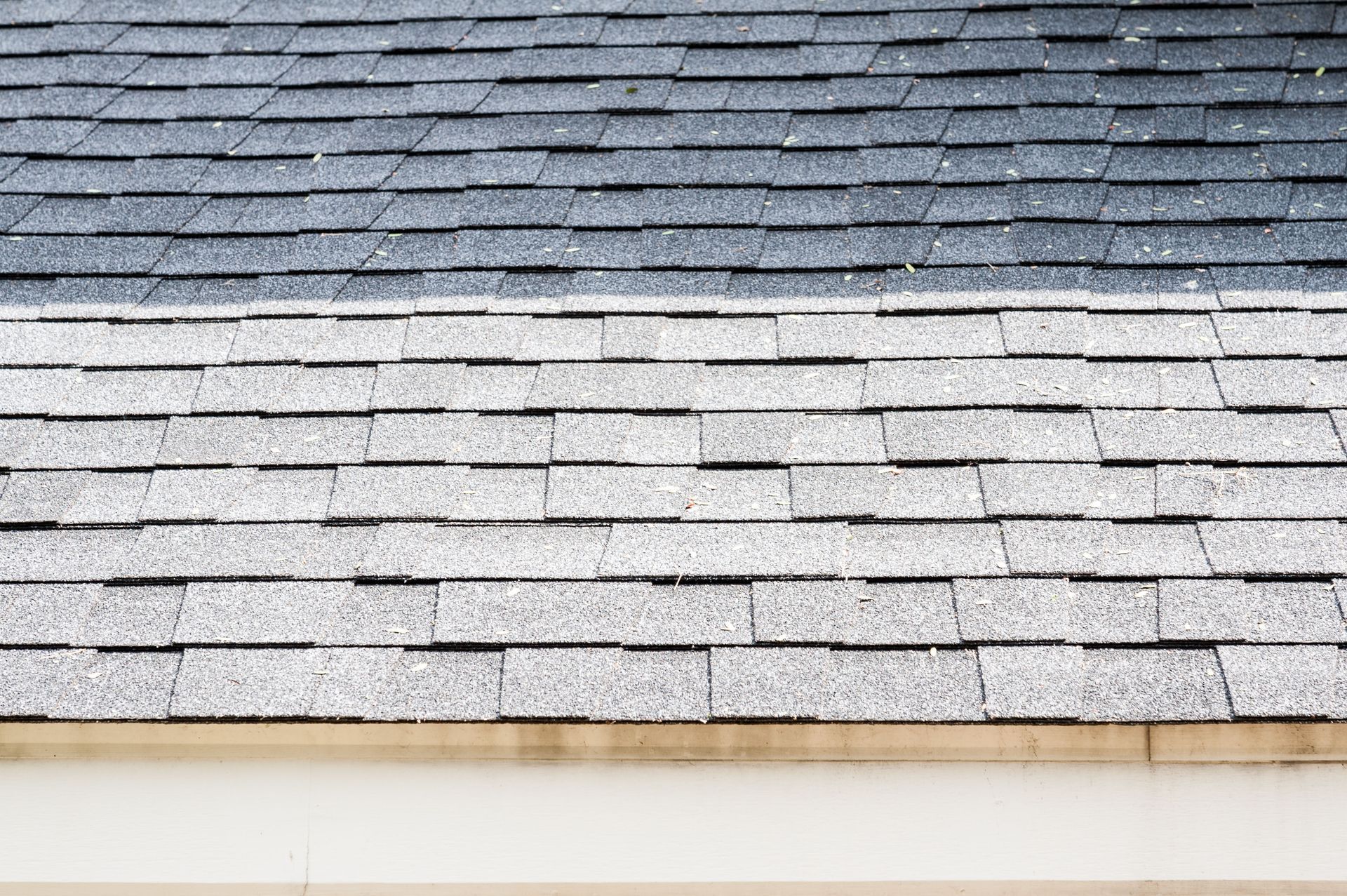
Asphalt shingles are primarily crafted from a fiberglass or organic mat coated with asphalt and mineral granules. This production process gives them their durability and water-resistant properties, making them ideal for a variety of climates. The asphalt coating serves as a robust barrier against moisture, while the granules protect against UV rays. The manufacturing process involves embedding the shingle with reflective granules that enhance energy efficiency by reflecting the sun's rays. As a staple in roofing materials, asphalt shingles are known for their availability and ease of installation, which is one reason a roofing company may recommend them for many residential projects.
Types of Asphalt Shingles
There are several types of asphalt shingles, notably architectural, three-tab, and specialty shingles. Architectural shingles, also known as dimensional shingles, offer a layered, multi-dimensional look and superior durability. The classic three-tab shingles are flat and feature a consistent size and shape that gives a uniform appearance. Specialty shingles can include those with algae resistance or enhanced reflectivity for better energy efficiency. Each type caters to different aesthetic preferences and climate considerations, allowing homeowners to choose according to specific needs with guidance from a roofing company.
Durability and Lifespan
Asphalt shingles are known for their robustness, typically lasting 20 to 30 years, depending on climate and environmental factors. Their durability makes them an appealing option for homeowners in diverse weather conditions. In colder climates, asphalt shingled homes tend to retain warmth better, leading to energy savings on heating costs. Proper maintenance and installation can significantly extend their lifespan, providing long-term value. The longevity of asphalt shingles makes them a preferred choice for homeowners seeking dependable roofing options.
Cost Effectiveness
One of the most compelling features of asphalt shingles is their cost-effectiveness. They offer an affordable initial investment compared to other roofing materials, providing excellent value without compromising quality. Over time, the energy savings derived from their insulating properties can offset the initial installation costs. Asphalt shingles not only save on immediate expenses but also increase the home's resale value due to their energy-efficient characteristics. Their affordability coupled with long-term savings makes asphalt shingles a wise economic choice.
How Asphalt Shingles Improve Energy Efficiency
Insulation Properties
One of the key energy-saving attributes of asphalt shingles is their ability to insulate homes effectively. They act as a protective barrier, minimizing heat loss in winter and heat gain in summer. This insulation property leads to a more stable indoor climate, reducing the need for excessive heating and cooling. Consequently, homeowners can save significantly on their energy bills throughout the year. Improved insulation translates to a more comfortable and energy-efficient living space, especially when a roofing company installs the system with the right ventilation and underlayment.
Reflective Coatings
Reflective granules used in asphalt shingles play a pivotal role in enhancing their energy efficiency. These granules reflect sunlight, thereby reducing heat absorption and maintaining cooler roof temperatures. This reflective property is particularly beneficial in warmer climates, where it helps keep indoor spaces cooler. By reducing the heat entering the home, reflective coatings alleviate the strain on air conditioning systems, leading to further energy savings. Homeowners can ask a roofing company about shingles with higher reflectivity for maximum efficiency benefits.
Thermal Performance
The thermal performance of asphalt shingles is integral to their energy-saving potential. By maintaining optimal roof temperatures, they contribute to reduced energy consumption in both heating and cooling. Asphalt shingles' ability to enhance thermal performance is especially advantageous in areas with extreme weather variations. According to METALCON, homes with asphalt shingles tend to be warmer overall, saving on heating costs in colder climates. This ability to regulate indoor temperatures supports comfortable living conditions year-round.
Impact on Heating and Cooling Systems
The implementation of asphalt shingles can positively impact the efficiency of a home's HVAC systems. By reducing the amount of heat lost or gained through the roof, these systems work less intensely, resulting in lower energy consumption. This improved efficiency not only saves money but also prolongs the lifespan of heating and cooling systems. Homeowners will notice fewer maintenance issues and repairs, leading to additional financial benefits. Overall, the strategic use of asphalt shingles translates to a more cost-efficient home operation.
Installation Considerations for Maximum Efficiency
Proper Ventilation
Optimal ventilation is crucial in maximizing the energy efficiency of asphalt shingle roofs. Proper attic ventilation prevents heat buildup and moisture accumulation, both of which can compromise energy performance. Ventilated roofs reduce cooling loads in summer and prevent ice dams in winter, maintaining steady indoor temperatures. Insufficient ventilation could negate the energy-saving benefits of asphalt shingles, making it a critical consideration. A roofing company can evaluate attic airflow before installation so the roof supports better energy management.
Professional Installation
Hiring professional roofers for the installation of asphalt shingles supports optimal performance and longevity. Experienced roofers understand the intricacies of proper shingle laying, sealing, and ventilation procedures. Improper installation can lead to leaks, reduced energy efficiency, and increased maintenance costs. By entrusting the installation to a roofing company, homeowners can maximize the energy benefits asphalt shingles offer. Professional installation is an investment toward securing a well-insulated and energy-efficient home.
Orientation and Roof Slope
The orientation and slope of a roof play pivotal roles in the energy efficiency of asphalt shingles. Roofs facing south generally receive more sun exposure, making reflective shingles beneficial in warmer climates. Conversely, in colder regions, maximizing sun exposure can aid in natural heating, enhancing energy savings. The angle of the roof affects how well water and debris are shed, impacting energy performance indirectly. Considering these factors during installation can optimize the advantages asphalt shingles provide.
Layering and Underlayments
Using appropriate underlayments and layering techniques enhances the efficacy of asphalt shingles. Underlayments act as another layer of defense against water infiltration and improve thermal insulation. Layering shingles can intensify their insulating properties, leading to greater energy savings. These additional layers serve as a buffer zone, offering further protection against weather extremes. Proper installation with quality underlayments supports enhanced durability and energy efficiency of the overall roofing system.
Regular Maintenance
To maintain the energy efficiency of asphalt shingles, regular maintenance is vital. This includes annual inspections to check for damaged areas and proper sealing. Keeping gutters clean and maintaining unimpeded airflow can prevent issues that may reduce shingle performance. Addressing repairs promptly and replacing old or worn shingles helps maintain optimal energy performance, and a roofing company can identify small problems before they affect comfort or efficiency. Through diligent maintenance practices, homeowners can consistently enjoy the energy-saving benefits of their asphalt shingle roofs.
Asphalt shingles represent a cost-effective and energy-efficient roofing solution, capable of significantly lowering energy bills. They offer a blend of affordability, durability, and energy-saving features that make them a preferred choice for homeowners across various climates. By improving insulation and incorporating reflective properties, asphalt shingles contribute to reduced energy consumption, leading to financial savings. Working with a roofing company can help homeowners choose the right shingles, installation approach, and maintenance plan for long-term performance. Ultimately, investing in asphalt shingles provides lasting benefits, enhancing both home comfort and value. Contact Uwharrie Roofing today to learn more.

Share On: